GlucoPril Official Website › Blog › Horse Chestnut
Horse Chestnut Against Compression Stockings
In 1996 The Lancet published a trial in which a plant extract came within three millilitres of compression stockings for reducing leg swelling. It is the best-evidenced ingredient on this label by a distance, and everything it is best-evidenced for happens below the knee.
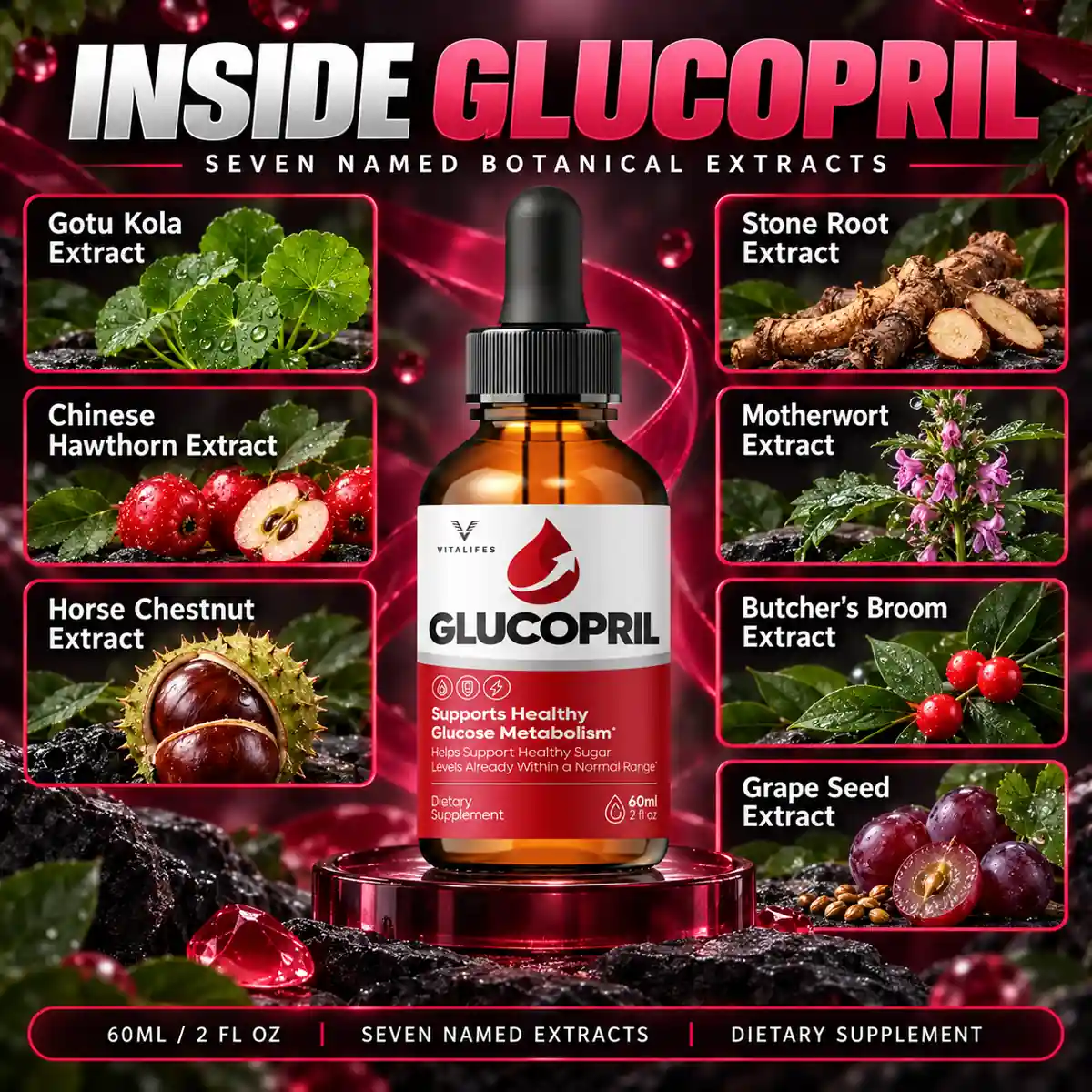
- Horse chestnut seed extract is standardised to a saponin mixture called aescin.
- The 1996 Lancet trial gave 50 mg of aescin twice daily for twelve weeks and matched compression stockings to within three millilitres of leg volume.
- Cochrane pooled six placebo-controlled trials at a weighted mean of 32.1 ml.
- Every one of those numbers is a leg volume. No trial has tested this extract against a blood sugar outcome.
- This label names the extract without a standardisation marker or an amount.
The conker, and what is taken out of it
Aesculus hippocastanum is the horse chestnut, the tree that drops conkers, and the seed is the part that matters pharmacologically. It is not eaten: the raw seed is toxic, and what reaches a supplement is an extract processed to concentrate one fraction and remove others.
That fraction is aescin, sometimes spelled escin, a mixture of triterpene saponins. It is the compound every trial in this field dosed, and a horse chestnut product that does not state its aescin content has left out the number the entire literature is built on. This is unusual among botanicals: for most plants the active fraction is contested, and for this one it is settled.
Why it works, as far as anybody can say, is that aescin reduces the permeability of small vessel walls, so less fluid leaks into the surrounding tissue. Less leakage means less swelling, which is exactly what the trials measure.
The trial that made its reputation
The 1996 Lancet paper is the one that put this extract into mainstream medical conversation, and its design is why.
Two hundred and forty patients with chronic venous insufficiency were randomised between dried horse chestnut extract standardised to 50 mg of aescin twice daily, compression stockings, and placebo, for twelve weeks. Compression stockings are the standard mechanical treatment for this condition, which makes them a demanding comparator rather than a courtesy one.
The extract reduced lower-leg volume by 43.8 ml. The stockings reduced it by 46.7 ml. A capsule performing within three millilitres of a mechanical treatment that patients find difficult to wear in summer is a result with immediate practical meaning, and it is why European pharmacy took this plant seriously.
| The study | What it compared | What it reported |
|---|---|---|
| The Lancet comparison, 1996, 240 patients | Aescin 50 mg twice daily against compression stockings, 12 weeks | Lower-leg volume fell 43.8 ml with the extract, 46.7 ml with stockings |
| Cochrane review, six placebo-controlled trials | Horse chestnut seed extract against placebo | Leg volume fell by a weighted mean 32.1 ml; larger definitive trials called for |
| A 1992 placebo-controlled double-blind study | Oedema protection in chronic deep vein incompetence | Clinical benefit reported against placebo |
| A bioavailability study of two oral formulations | How much escin actually reaches the circulation | Formulation changes the answer, which is why standardisation matters |
Every outcome in this table is measured in millilitres of leg or in symptom scores. None of them is a glucose reading.
What happens when the trials are pooled
A single striking trial is a beginning rather than an answer, and this field has done the harder work of pooling.
The Cochrane review gathered six placebo-controlled trials and found leg volume falling by a weighted mean of 32.1 millilitres against placebo. That is smaller than the Lancet figure, which is exactly what usually happens when a headline result meets a systematic review, and it is still a real effect. The reviewers called for larger definitive trials, which is the standard and appropriate conclusion for a literature of this size.
An earlier placebo-controlled double-blind study in chronic deep vein incompetence reported clinical benefit on oedema protection, and a bioavailability study of two oral formulations established that how the extract is formulated changes how much escin reaches the circulation. That last one is the most quietly important paper in the set: it means two products naming the same plant at the same weight are not necessarily delivering the same thing.
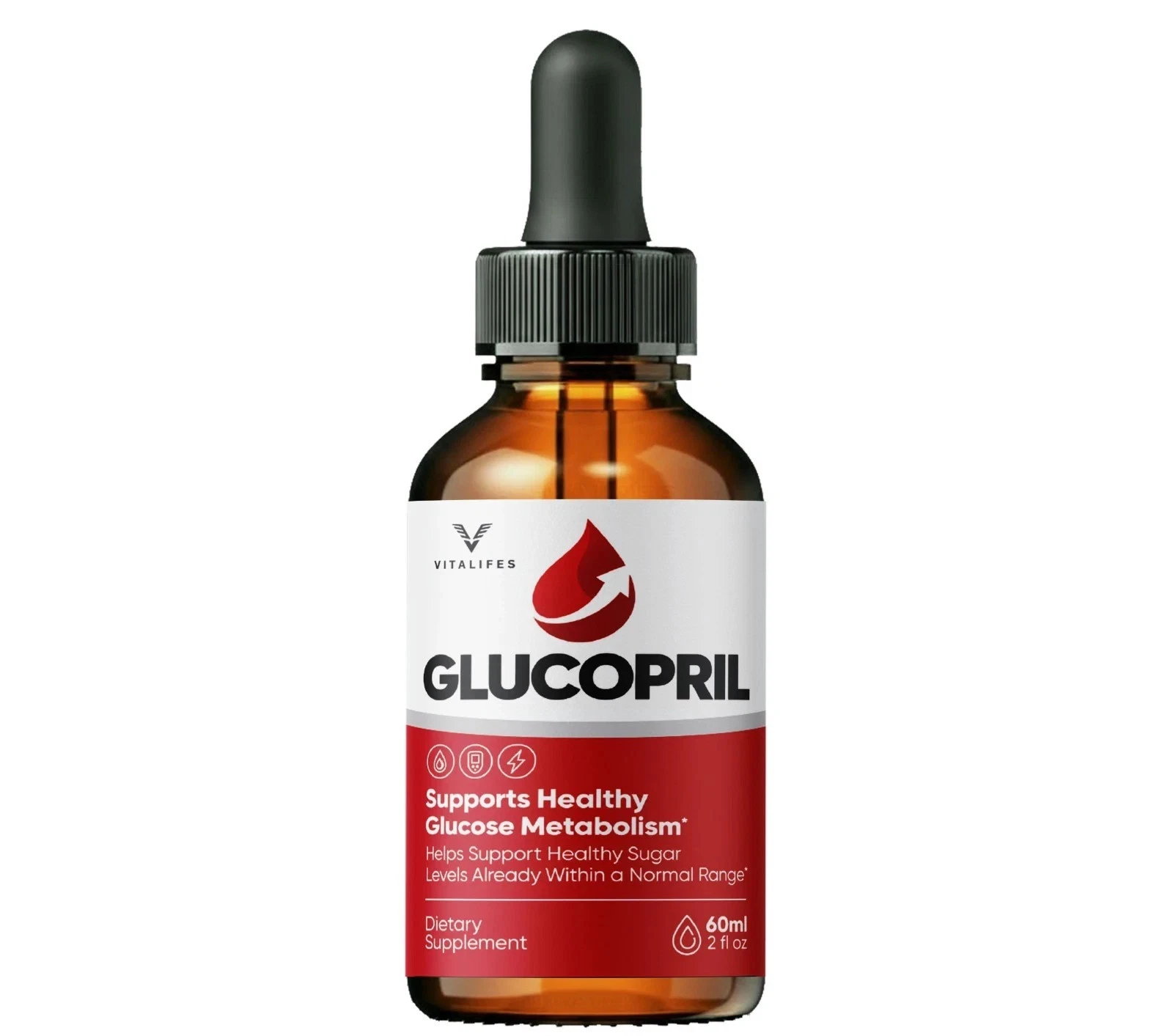
See where horse chestnut sits among the GlucoPril seven
One of seven extracts named on the seller’s graphic, with the amount its own trials used printed beside it and the label’s silence stated plainly.
Price at checkout · three bottles is the pack most buyers take · money-back guarantee as the listing prints it
Order GlucoPril On The Official WebsiteTwo drops a day after a meal · 60 ml a bottle · lot GLU-26/GO-3914
Why a standardisation marker decides everything
A standardisation marker is a line on a label saying what proportion of an extract is a named compound. Standardised to 20 per cent aescin, for instance. It looks like small print and it is the difference between a checkable product and an unverifiable one.
The reason is arithmetic. If a label says 100 mg of horse chestnut extract standardised to 20 per cent aescin, a reader can work out that a serving carries 20 mg of the compound the trials dosed, and can then compare that with the 50 mg twice daily the Lancet trial used. Remove the marker and the same 100 mg could carry 20 mg of aescin or almost none, because extract strength varies enormously with the solvent, the ratio and the process.
Two products can therefore print identical weights and deliver quantities an order of magnitude apart. This is not a hypothetical worry about this category; it is the ordinary situation, and it is why every serious trial specifies the fraction rather than the herb.
- An extract ratio, such as 10:1, tells you how much raw material went in, not how much active came out.
- A standardisation marker tells you what fraction of the finished extract is the compound the research dosed.
- A weight with neither is the least informative way to name a botanical on a label.
- Where a marker is given, the comparison with a published trial takes about thirty seconds.
How the research lines up with this label
This is the part that matters for anybody holding the bottle, and it is a short section because there is not much to line up.
The label names Horse Chestnut Extract. It does not name the plant part in the way the trials describe it, it gives no aescin content, and it gives no amount. Every one of those three is a field the published literature depends on.
That is not a claim that the extract in the bottle is inadequate. It is a statement that nothing on the label allows the question to be asked. A generous formulation and a token one produce identical artwork.
| What the research used | What this label carries | The gap |
|---|---|---|
| Dried seed extract standardised to a stated aescin content | Horse Chestnut Extract, no standardisation marker given | The active fraction is what the trials dosed, and it is not named |
| 50 mg of aescin twice daily | No amount printed | Nothing on the label can be set against the trial figure |
| Twelve weeks of continuous use | Two drops daily, with the label asking for consistency | The duration advice matches; the quantity cannot be compared |
| One extract, studied alone | One of seven extracts in a blend | Even with an amount, the share of a blend would still be unknown |
The first column is read off the published trials. The second is read off the seller's artwork. The third is what a buyer is left holding.
What is on the safety record
Horse chestnut is well tolerated in the trials, which is part of why it has lasted. The adverse events reported are the ordinary ones for this class: stomach upset, headache, occasional dizziness.
Two things are worth naming specifically rather than generalising about. A 2012 emergency case report describes a life-threatening rupture of a renal angiomyolipoma in a patient taking over-the-counter horse chestnut seed extract. A single case report establishes very little on its own and it is the kind of thing worth knowing exists. The National Center for Complementary and Integrative Health page on horse chestnut is the plain-language summary worth reading beside it.
The second is that raw or unprocessed horse chestnut is a different object from a standardised extract and is genuinely toxic. That distinction is not academic and it is the reason nobody should improvise with conkers.
- Ordinary adverse events in trials: stomach upset, headache, dizziness.
- A single published case report of a serious event, which is worth knowing about.
- Raw seed is toxic; a standardised extract is a processed product.
- Anybody on an anticoagulant should raise this plant before starting, alongside the other two on this label that affect blood pressure.
What to make of it on this bottle
Two conclusions that point in different directions, and both are true at once.
Horse chestnut is the strongest ingredient on this label. It has the best-designed trial, the clearest active fraction, a Cochrane review with a positive pooled result and a mechanism that makes sense. If somebody set out to build a venous formula, they would start here.
And everything it is good at is a leg. A search for this extract against a blood sugar outcome returns nothing, because nobody has run one. Its presence on a bottle whose front sells glucose metabolism is the clearest single illustration of the mismatch that the article on the seven plants sets out in full.
The best ingredient on the label is excellent at something the label is not sold for. That is a genuinely interesting thing to know about a product, and it is not the same as a criticism of the extract.
A dietary supplement for healthy adults of 18 and over, not a medicine and not FDA-approved. Nothing in the horse chestnut literature changes the two sentences the front of this bottle is permitted to print. Anyone taking an anticoagulant, a blood pressure medicine or digoxin should say so before starting, and the side effects page names each interaction specifically.
References
- Diehm C, Trampisch HJ, Lange S, Schmidt C. Comparison of leg compression stocking and oral horse-chestnut seed extract therapy in patients with chronic venous insufficiency. Lancet. 1996;347(8997):292-4. PMID 8569363. Dose: dried extract standardised to 50 mg aescin twice daily for 12 weeks in 240 patients; lower-leg volume fell 43.8 ml, against 46.7 ml for compression stockings. https://pubmed.ncbi.nlm.nih.gov/8569363/
- Pittler MH, Ernst E. Horse chestnut seed extract for chronic venous insufficiency. Cochrane Database Syst Rev. 2012;11(11):CD003230. PMID 23152216. Leg volume fell by a weighted mean 32.1 ml against placebo across six trials; the authors call for larger definitive trials. https://pubmed.ncbi.nlm.nih.gov/23152216/
- Diehm C, Vollbrecht D, Amendt K, Comberg HU. Medical edema protection - clinical benefit in patients with chronic deep vein incompetence. A placebo controlled double blind study. Vasa. 1992;21(2):188-92. PMID 1621440. https://pubmed.ncbi.nlm.nih.gov/1621440/
- Kunz K, Lorkowski G, Petersen G, et al. Bioavailability of escin after administration of two oral formulations containing aesculus extract. Arzneimittelforschung. 1998;48(8):822-5. PMID 9748710. https://pubmed.ncbi.nlm.nih.gov/9748710/
- Snow A, Halpenny D, McNeill G, et al. Life-threatening rupture of a renal angiomyolipoma in a patient taking over-the-counter horse chestnut seed extract. J Emerg Med. 2012;43(6):e401-3. PMID 21310579. https://pubmed.ncbi.nlm.nih.gov/21310579/
- National Center for Complementary and Integrative Health. Horse Chestnut. Read 19 September 2026. https://www.nccih.nih.gov/health/horse-chestnut