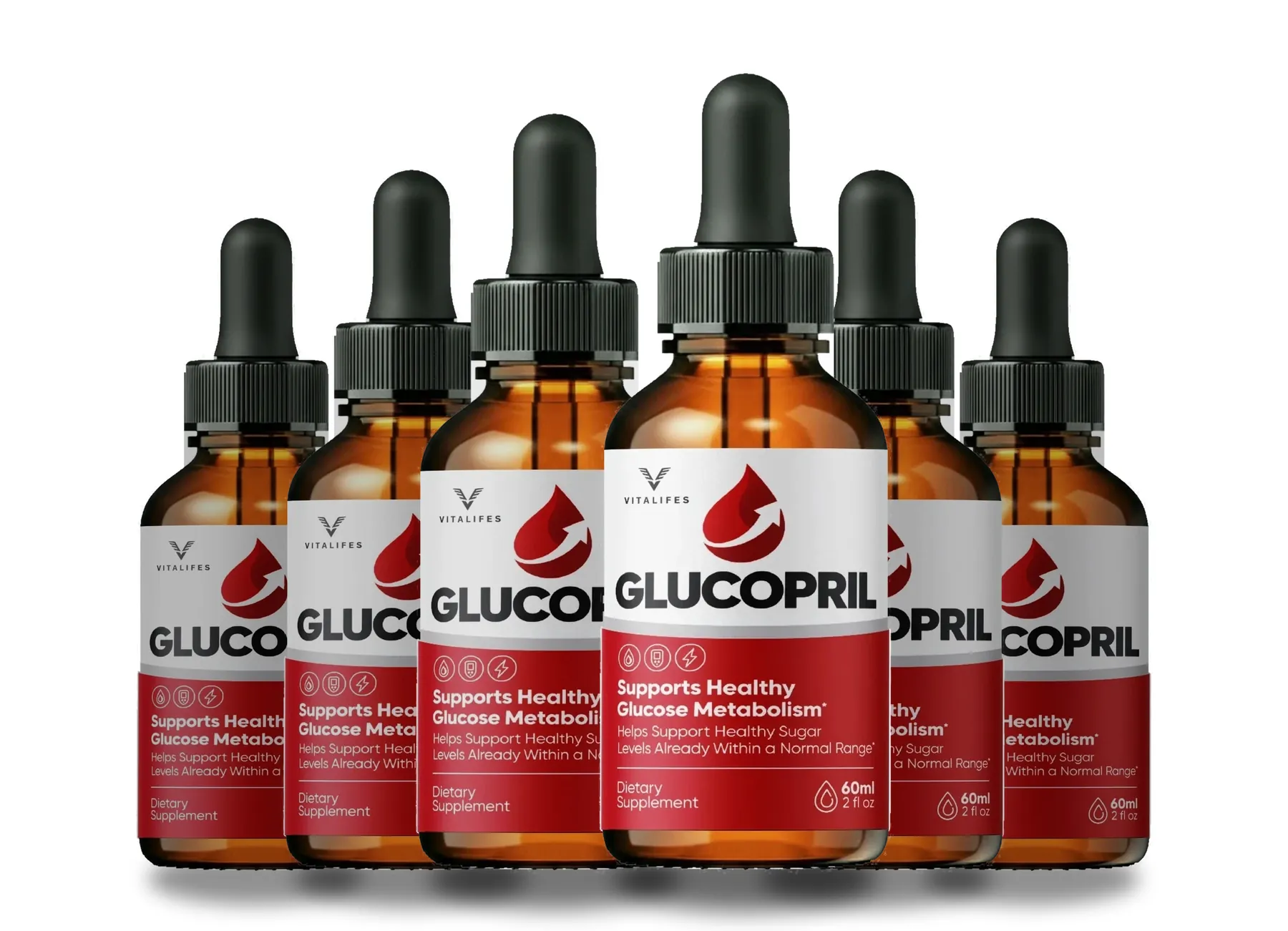
GlucoPril Official Website › Blog › Chinese Hawthorn
Chinese Hawthorn And The SPICE Trial: 900 mg, Two Years, One Real Result
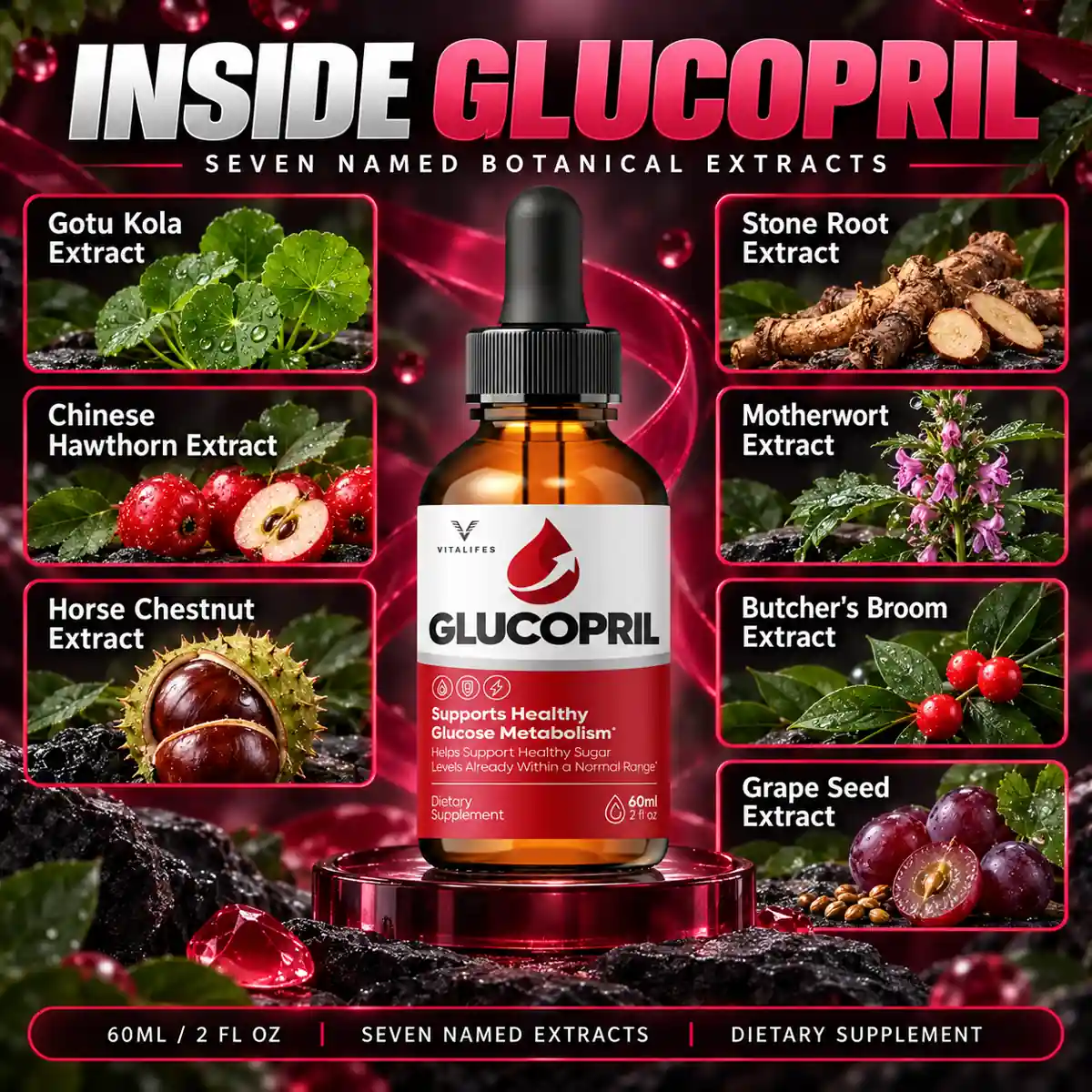
Chinese hawthorn is the second name on this bottle’s ingredient graphic, and it carries the largest single trial of any plant on the label: 2,681 people, two years, 900 milligrams a day. The trial missed its main target. A much smaller trial, run in people with diabetes, found a real blood pressure effect and never tested glucose at all.
- The largest hawthorn trial ever run gave 900 mg a day for 24 months to 2,681 people with heart failure, and missed its primary endpoint.
- A subgroup with better heart function saw sudden cardiac death fall by roughly 40%, a secondary finding stated as such by the trial itself.
- A separate, much smaller trial gave 1,200 mg a day for 16 weeks to 79 people with type 2 diabetes and found diastolic blood pressure fell. The results section reports no glucose outcome at all.
- Neither trial used the plant part named on this label, and neither tested a seven-extract liquid blend.
- A marketplace-reported total of about 121 mg for all seven extracts combined is a fraction of either single-plant dose.
What Chinese hawthorn is, and which preparation gets studied
Hawthorn is a thorned shrub of the rose family, and the genus Crataegus has been used in European and Chinese herbal medicine for centuries, mostly for the heart. The fruit is what folk medicine reached for; the leaf and flower is what modern trials almost always use.
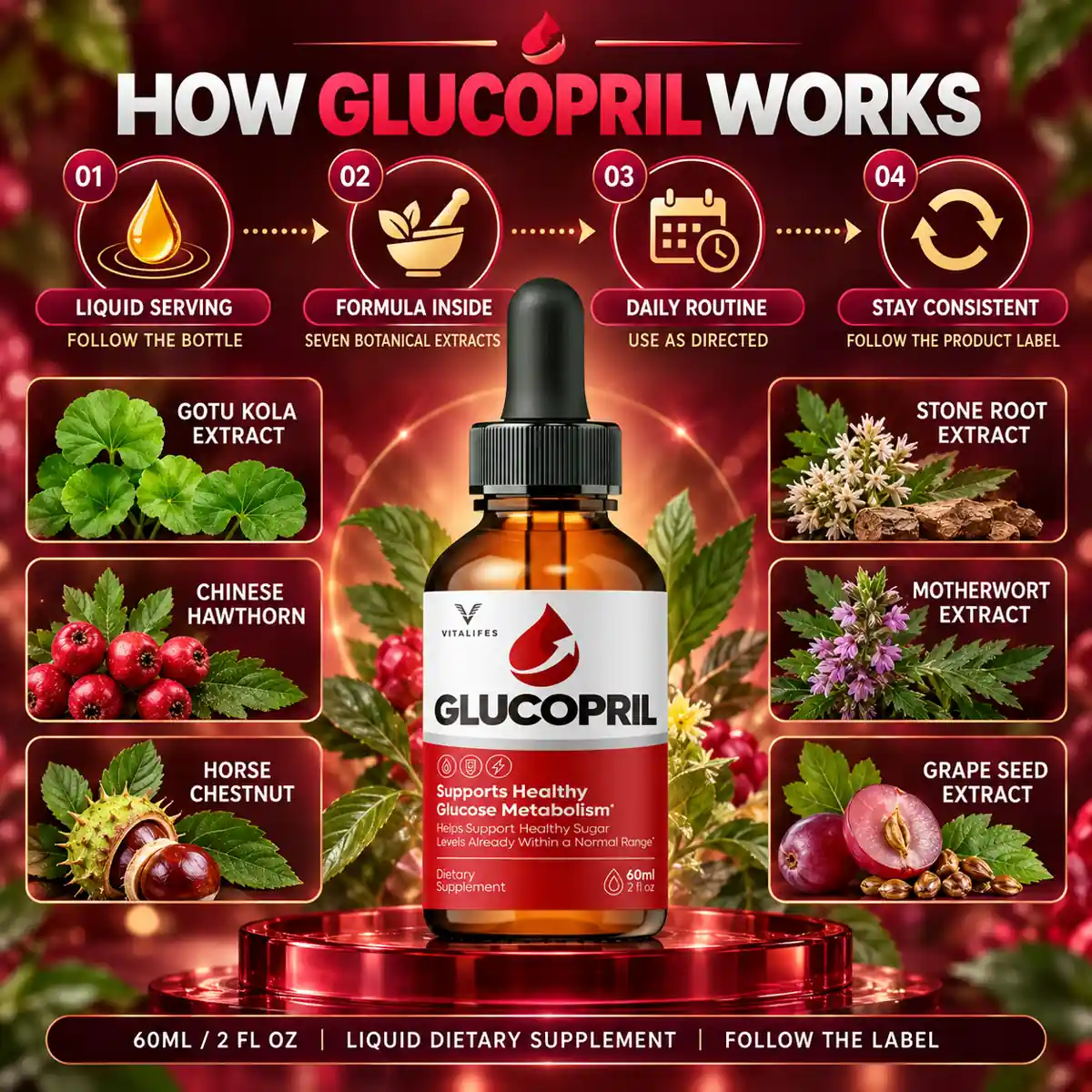
This bottle’s own fact sheet names the part as the fruit. That is worth flagging up front, because the clinical literature below — the SPICE trial, its predecessors, and the diabetes trial — was run almost entirely on standardised leaf-and-flower extracts, the best known being WS 1442. A fruit extract and a leaf-and-flower extract share a genus and not necessarily a chemical profile, and no trial in this article tested the fruit preparation this label names.
Why hawthorn belongs on a circulatory label
The traditional use is cardiac tone: hawthorn has a long history as a remedy for a weak or irregular heartbeat, and the modern trials grew directly out of that tradition rather than out of metabolic research. It sits on this bottle for the same reason gotu kola and horse chestnut do — a nineteenth-century circulatory reputation, tested in the twentieth and twenty-first centuries against cardiac and vascular outcomes.
The SPICE trial: 2,681 patients, two years, 900 mg a day
The largest hawthorn trial in the literature is also the most sobering one. The SPICE trial — Survival and Prognosis: Investigation of Crataegus Extract WS 1442 in CHF — was a randomised, double-blind, placebo-controlled multicentre study. Adults with NYHA class II or III congestive heart failure and a reduced ejection fraction were randomised to 900 mg a day of WS 1442 or placebo, and followed for 24 months. 2,681 patients were randomised: 1,338 to hawthorn, 1,343 to placebo.
The primary endpoint was time to first cardiac event. The result: an average of 620 days for the hawthorn group against 606 days for placebo, event rates of 27.9% and 28.9%, hazard ratio 0.95 (95% CI 0.82 to 1.10), p = 0.476. That is not a positive trial. A morbidity and mortality study of this size, run for two years, found no statistically significant benefit on the outcome it was built to answer.
| Detail | What SPICE actually did |
|---|---|
| Design | Randomised, double-blind, placebo-controlled, multicentre |
| Population | 2,681 adults with NYHA class II–III heart failure, ejection fraction ≤35% |
| Dose | 900 mg/day of Crataegus extract WS 1442, or placebo |
| Duration | 24 months |
| Primary endpoint | Time to first cardiac event — not statistically significant (HR 0.95, p=0.476) |
This is the trial that decided how cardiology talks about hawthorn today. It is a careful, well-powered negative result on its main question.
This matters for how the rest of this article should be read. Hawthorn is not an ingredient with a thin or dismissible literature — it has been tested at real scale, at a real dose, for a real length of time, in the population it is traditionally aimed at. The honest summary of that literature is that its best trial did not confirm the traditional claim on its primary measure.
The subgroup finding, and why it is not the headline
SPICE did report one positive number, and it deserves to be stated precisely rather than either buried or oversold. In the subgroup of patients with less severely reduced heart function (ejection fraction ≥25%), WS 1442 reduced sudden cardiac death by 39.7% at 24 months (hazard ratio 0.59, 95% CI 0.37–0.94, p = 0.025).
A subgroup finding inside a trial that missed its primary endpoint is a real signal worth further study and not, on its own, proof of anything. The trial’s own authors framed it exactly that way: WS 1442 had no significant effect on the primary endpoint, was safe in patients on optimal heart failure medication, and the subgroup data may indicate a reduction in sudden cardiac death in a specific population. “May indicate” is the correct register for a secondary, subgroup-level result, and it is a different register from a front-of-bottle claim.
Nothing about this subgroup finding touches blood sugar. It is a cardiac mortality outcome in heart failure patients on standard medication, using a leaf-and-flower extract this label does not name.
The one hawthorn trial that involved people with diabetes
There is exactly one randomised trial of hawthorn run specifically in people with diabetes, and it is worth reading closely because it is the trial closest to what a glucose-framed bottle would want to point to.
A randomised controlled trial from the University of Reading gave 79 patients with type 2 diabetes, already taking prescribed medication, either 1,200 mg a day of hawthorn extract (39 patients) or placebo (40 patients) for 16 weeks. Blood pressure and fasting blood samples were taken at baseline and at the end.
The result the trial reports: a significant between-group difference in diastolic blood pressure (p = 0.035). The hawthorn group’s diastolic pressure fell from a mean of 85.6 mmHg to 83.0 mmHg; the placebo group’s rose slightly, from 84.5 to 85.0 mmHg. Systolic pressure did not differ significantly between groups. The paper’s own conclusion: “This is the first randomised controlled trial to demonstrate a hypotensive effect of hawthorn in patients with diabetes taking medication.”
What the published results section does not contain is a reported between-group difference in any glycaemic measure. Fasting blood samples were collected, but the results as published report blood pressure and a wellbeing questionnaire, not a glucose or HbA1c comparison. A trial that measured blood pressure carefully and did not report a glycaemic finding is not evidence that hawthorn changes blood sugar — it is evidence about blood pressure, in a population that happens to have diabetes.
| Trial | Dose | Population | What it found |
|---|---|---|---|
| SPICE (Holubarsch et al., 2008) | 900 mg/day, 24 months | 2,681 adults, NYHA II–III heart failure | No significant effect on time to first cardiac event; sudden cardiac death down 39.7% in a subgroup |
| Walker et al., 2006 | 1,200 mg/day, 16 weeks | 79 adults with type 2 diabetes on medication | Diastolic blood pressure fell significantly; no glycaemic outcome reported |
Two trials, two real findings, neither one a glucose result. Together they are the entire randomised hawthorn literature that touches either heart failure at scale or a population with diabetes.
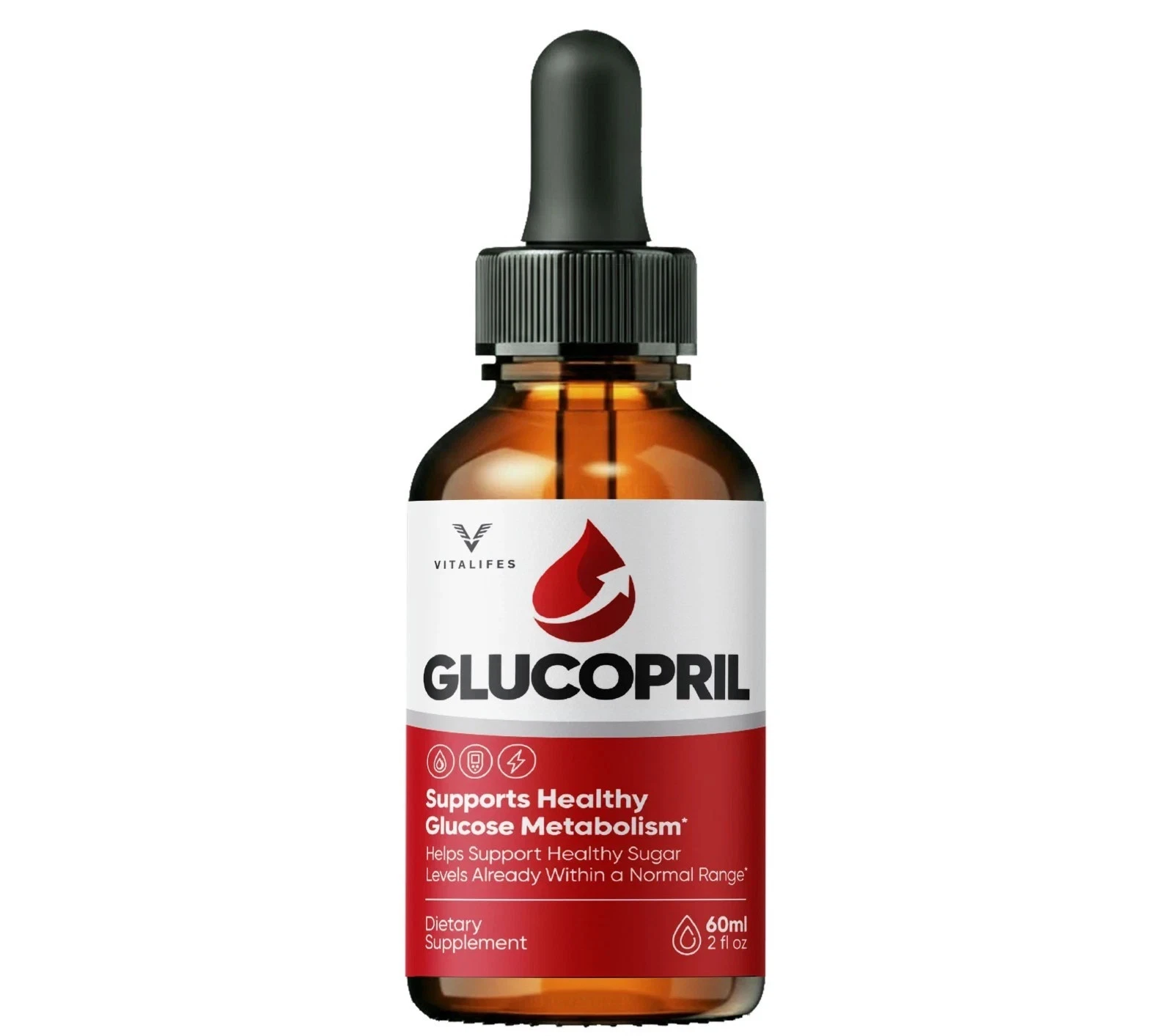
Read the whole GlucoPril ingredient list before weighing one plant
Seven extracts named on the seller’s own graphic, with the amount each one’s published trials used printed beside it, and no amount printed on the label for any of them.
Price at checkout · three bottles is the pack most buyers take · money-back guarantee as the listing prints it
Order GlucoPril On The Official WebsiteTwo drops a day after a meal · 60 ml a bottle · lot GLU-26/GO-3914
Setting both doses beside this bottle
Marketplace reports describe this formula’s seven actives grouped in a proprietary blend of about 121 mg total. That figure is not printed on the bottle and comes from marketplace listings rather than a Supplement Facts panel, and it is the combined total for all seven extracts, not hawthorn alone.
Set that beside either hawthorn trial. SPICE used 900 mg a day of a single standardised extract. The diabetes trial used 1,200 mg a day of a single extract. Even in the impossible case where the entire reported blend total were hawthorn and nothing else, 121 mg falls well short of either figure. Spread across seven named plants, the shortfall is larger again.
This is not a claim about dishonesty. It is arithmetic that anyone holding the bottle can run for themselves, and it is the reason this site prints a trial dose beside every plant on the label rather than translating a marketing phrase into an assumption.
The seller names seven extracts and gives a weight for none of them. A figure nobody published cannot be invented, so every ingredient on this site carries the dose its own research used instead. It is the only number on the subject anybody can check.
What a glycaemic trial of hawthorn would actually need to show
It is worth being precise about what is missing, because “no glucose trial exists” is a different statement from “hawthorn was tested and failed.” Neither SPICE nor the Reading trial set out to measure glucose as a primary outcome. A trial built to answer that question would randomise people with impaired glucose tolerance or type 2 diabetes, standardise the extract and the dose, and report HbA1c or fasting plasma glucose as its primary endpoint. As of this review, no such trial of hawthorn is indexed on PubMed.
Compare that gap with the ingredients that do lead the glycaemic-supplement category. An umbrella meta-analysis of berberine pooling multiple randomised trials reports measurable effects on glycaemic control and inflammatory markers in metabolic disorders. Berberine is not on this label. Neither is cinnamon, chromium, gymnema or bitter melon — the ingredients whose trials were purpose-built to answer the question this bottle’s front panel asks.
Hawthorn has a real, well-studied place in cardiology. It does not currently have a place in the glycaemic-control literature, and the absence is a gap in the evidence rather than a debated or borderline result.
What this means for somebody holding the bottle
Three things follow, and none of them says hawthorn is worthless.
Hawthorn's best evidence is cardiac, not metabolic, and even the cardiac evidence is mixed: a large trial that missed its primary endpoint, with a promising but secondary subgroup result. Anyone buying this bottle expecting a glucose effect from the hawthorn on the label is relying on a trial that does not exist.
Anyone with an existing heart condition, and especially anyone on cardiac medication, should treat hawthorn as a real herb with real pharmacology rather than a background botanical — the SPICE trial itself was run precisely because hawthorn is active enough in the cardiovascular system to be worth two years and 2,681 patients to study properly.
And in every case the amount is unknown. Two doses studied in real trials, 900 mg and 1,200 mg, against a reported blend total of about 121 mg for seven plants together, is the arithmetic worth carrying into any conversation about what this bottle can plausibly be expected to do.
Four questions worth asking of any cardiac-tone ingredient
Carry these to any hawthorn-containing product, not just this one.
- Which part of the plant? Leaf-and-flower and fruit are not interchangeable, and most of the controlled trial literature used leaf-and-flower.
- Which outcome was actually measured? Cardiac event rate, blood pressure and glucose are three different endpoints, and a trial built for one says nothing directly about the others.
- Was the positive finding primary or secondary? SPICE's sudden-cardiac-death result was a subgroup finding inside a trial that missed its main target — a real signal, correctly described as preliminary by the people who ran it.
- How much, compared with the trial dose? Without a printed amount, no comparison with 900 mg or 1,200 mg is possible.
On this bottle the answers run: fruit rather than the studied leaf-and-flower, cardiac and blood-pressure rather than glycaemic, secondary, and unknown. The ingredients page runs the same four questions across the other six extracts.
A dietary supplement for healthy adults of 18 and over, not a medicine and not FDA-approved. The two sentences printed on the front cap everything said about it: supports healthy glucose metabolism, and helps support healthy sugar levels already within a normal range. Nothing on this page moves that ceiling in either direction. Anyone on heart medication, blood pressure medication or a blood thinner should raise a new botanical supplement with a prescriber before starting it, and the side effects page covers the interactions worth raising before a first bottle.
References
- Holubarsch CJ, Colucci WS, Meinertz T, Gaus W, Tendera M; SPICE trial study group. The efficacy and safety of Crataegus extract WS 1442 in patients with heart failure: the SPICE trial. Eur J Heart Fail. 2008;10(12):1255-63. PMID 19019730. Dose: 900 mg/day for 24 months in 2,681 patients with NYHA class II-III heart failure; no significant effect on time to first cardiac event, the primary endpoint; sudden cardiac death fell 39.7% in the subgroup with ejection fraction ≥25%. https://pubmed.ncbi.nlm.nih.gov/19019730/
- Walker AF, Marakis G, Simpson E, et al. Hypotensive effects of hawthorn for patients with diabetes taking prescription drugs: a randomised controlled trial. Br J Gen Pract. 2006;56(527):437-43. PMID 16762125. Dose: 1,200 mg hawthorn extract daily for 16 weeks in 79 people with type 2 diabetes; diastolic blood pressure fell versus placebo, and the results section reports no glycaemic outcome. https://pubmed.ncbi.nlm.nih.gov/16762125/
- Holubarsch CJF, Colucci WS, Eha J. Benefit-Risk Assessment of Crataegus Extract WS 1442: An Evidence-Based Review. Am J Cardiovasc Drugs. 2018;18(1):25-36. PMID 29080984. https://pubmed.ncbi.nlm.nih.gov/29080984/
- Nazari A, Ghotbabadi ZR, Kazemi KS, et al. The Effect of Berberine Supplementation on Glycemic Control and Inflammatory Biomarkers in Metabolic Disorders: An Umbrella Meta-analysis of Randomized Controlled Trials. Clin Ther. 2024;46(2):e59-e72. PMID 38016844. https://pubmed.ncbi.nlm.nih.gov/38016844/