GlucoPril Official Website › Blog › Stone Root
Stone Root: Seven PubMed Records, Two From The 1880s
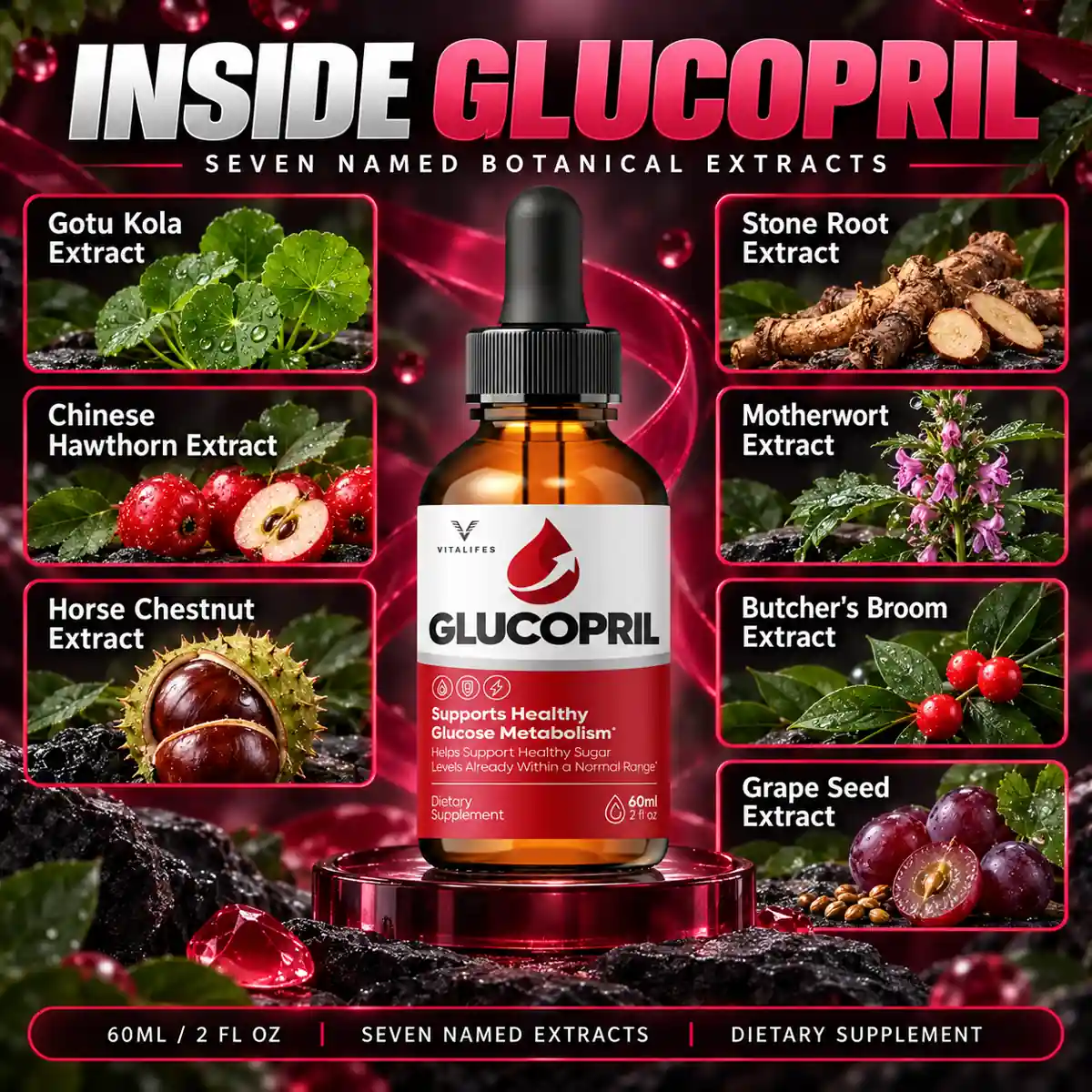
Stone root is the fourth name on this bottle’s ingredient graphic. Search its genus on PubMed and seven records come back. Two of them are unsigned journal notes from 1887 and 1888. Not one of the seven is a study of a human being.
- A PubMed search on the genus Collinsonia returns exactly seven records.
- Two of the seven are unsigned notes from The Lancet-era medical press, dated 1887 and 1888.
- The other five are a phytochemistry paper, a laboratory cancer-cell screen, and three plant-classification papers that mention the genus in passing.
- None of the seven is a controlled trial, a cohort study, or any kind of human research.
- This is not unusual for a folk-medicine ingredient. It is unusual to state it this plainly on a product label.
What stone root is, and where its reputation comes from
Collinsonia canadensis, also called stone root or richweed, is a tall wildflower of the mint family native to eastern North America. Its reputation is entirely a product of nineteenth-century American Eclectic medicine, the herbal tradition practised by physicians who used botanical remedies as their primary pharmacy before it was absorbed into mainstream medicine in the early twentieth century. Stone root's traditional indications — haemorrhoids, varicose veins, and general venous congestion — come from that tradition's case literature, not from a modern clinical programme.
That history explains why the plant is on this label at all. It sits in the same folk-venous tradition as horse chestnut and butcher’s broom, the two plants on this bottle with genuinely modern trial evidence behind them. Stone root rode into modern supplement formulas on the coattails of that tradition without ever picking up the trials that validated its neighbours.
Running the search, and reading what comes back
PubMed indexes the biomedical literature going back well over a century, and a search is the fastest way to find out whether folk reputation and published research ever met. Searching the genus name Collinsonia returns seven records, total. Narrowing the search to the species name Collinsonia canadensis returns four: the two 1880s notes, a 1999 phytochemistry paper, and a 2014 laboratory screen. The other three records only surface at the genus level, because they classify Collinsonia as part of a larger study of the mint family and never test the plant itself.
Both counts are worth knowing, because they tell two different stories. The narrower, species-level search shows how little has been published about this specific plant. The broader, genus-level search shows that even widening the net to catch anything touching the genus adds only three more records, none of them a human study either.
| Search term | Records returned | What's in them |
|---|---|---|
Collinsonia canadensis | 4 | Two 1880s journal notes, one 1999 flavanone paper, one 2014 cell-screen paper |
Collinsonia (genus) | 7 | The same four, plus three plant-classification papers |
Both searches run on PubMed's own esearch endpoint, checked directly against the live index rather than quoted from memory.
All seven records, one at a time
It is worth listing every one of the seven, because a claim this specific should be checkable line by line rather than taken on trust.
- An unsigned note, 1887. “Collinsonia Canadensis”, dated 1 October 1887, indexed as a short item from the medical press of the period rather than a study with a stated method.
- An unsigned note, 1888. “Collinsonia Canadensis” again, dated April 1888, from a different journal issue in the same era. Two brief mentions, 138 years old, are the closest thing to a clinical record this plant has ever received.
- A phytochemistry paper, 1999. Stevens and colleagues, writing in the Journal of Natural Products, identified a novel 2-hydroxyflavanone compound isolated from the plant. This is real modern chemistry — it tells you a compound exists in the plant — and it is not a study of what that compound does in a human being.
- A laboratory cancer-cell screen, 2014. Mazzio and colleagues ran a high-throughput screen of many natural products for anti-mitotic effects in a breast cancer cell line in a dish. Collinsonia canadensis was one of a large panel of plants tested. A cell-line screen is an early laboratory step, run on cells rather than people, and it has nothing to do with venous symptoms or blood sugar.
- A phylogenetics paper, 2017. Li and colleagues, in Scientific Reports, worked out the family tree of the mint tribe Elsholtzieae. Collinsonia is one genus placed on that tree. The paper is about plant classification, not pharmacology.
- A second phylogenetics paper, 2023. Tu and colleagues compared chloroplast genomes across the same mint tribe, again placing Collinsonia on the tree without testing it for anything.
- A third classification paper, 1994. Kaufmann and Wink used gene sequences to work out the molecular systematics of the mint family more broadly, with Collinsonia as one genus among dozens surveyed.
Read that list straight through and the pattern is unavoidable: two Victorian mentions, one real but narrow piece of plant chemistry, one dish-based cancer screen, and three papers about where the plant sits on a family tree. At no point does a human being take this plant in a controlled study and have an outcome measured.
Setting stone root beside the other six extracts
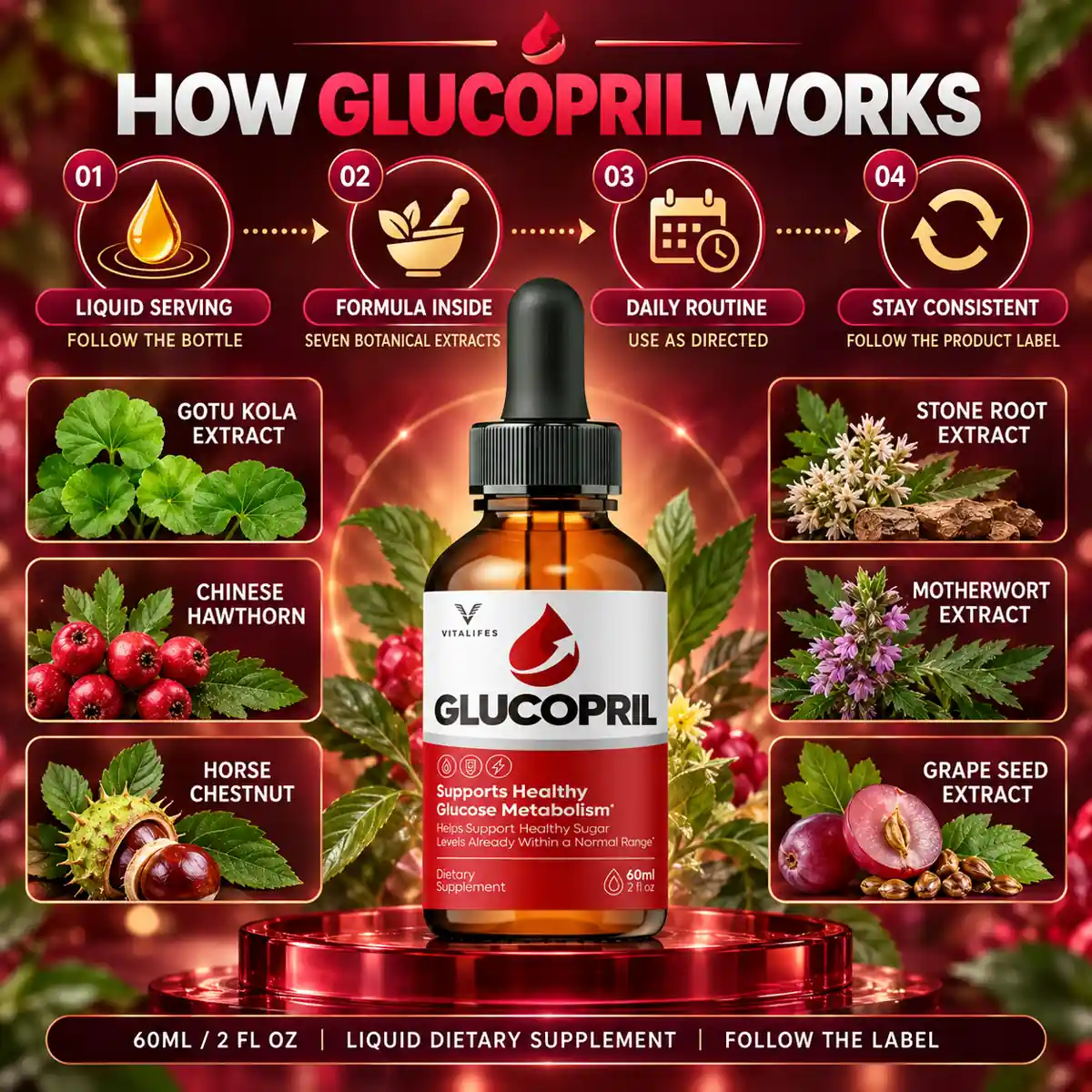
This bottle’s other six named plants vary widely in how well they are studied, but every one of them has at least some twentieth or twenty-first century human research behind it. Horse chestnut has a Lancet-published randomised trial against compression stockings. Butcher’s broom has a meta-analysis covering more than ten thousand subjects. Gotu kola has four separate randomised trials, one of them six months long. Chinese hawthorn has a 2,681-patient, two-year outcome trial. Grape seed has randomised trials in people at risk of type 2 diabetes. Motherwort's literature is thin, but even motherwort has a small handful of records that touch human or animal physiology.
Stone root stands alone on this label as the one ingredient with no modern research programme behind it at all — not a small one, not a flawed one, none.
The seller names seven extracts and gives a weight for none of them. Where a dose exists in the published research, this site prints it beside the plant. Stone root is the one row on that table with nothing to print, and saying so plainly is the accurate version of that same rule.
Read the whole GlucoPril ingredient list before weighing one plant
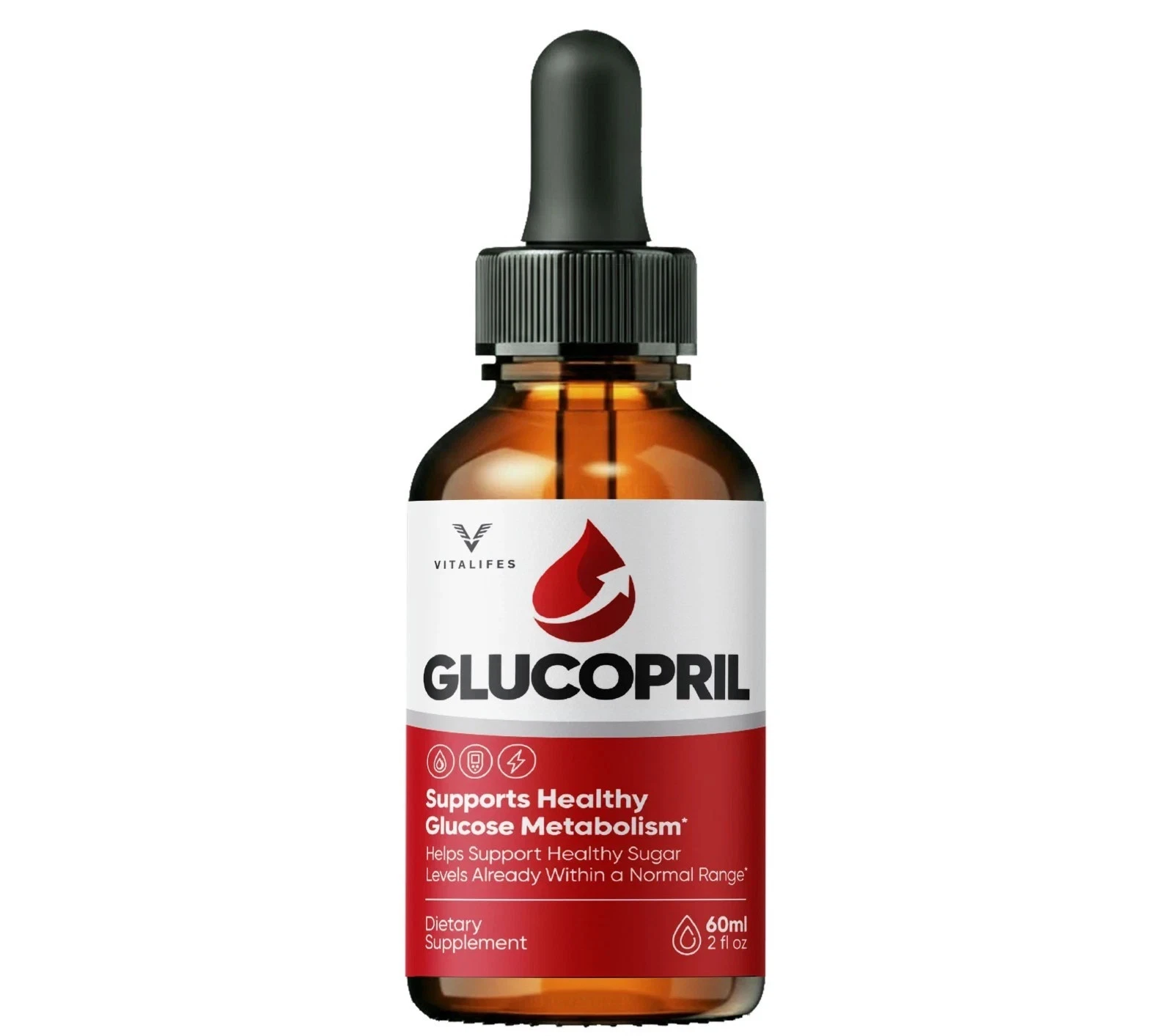
Seven extracts named on the seller’s own graphic, with the amount each one’s published trials used printed beside it where that amount exists.
Price at checkout · three bottles is the pack most buyers take · money-back guarantee as the listing prints it
Order GlucoPril On The Official WebsiteTwo drops a day after a meal · 60 ml a bottle · lot GLU-26/GO-3914
Why a genus can go a century without a trial
An empty research record is not automatically a red flag. Most of the plant kingdom has never been through a clinical trial, and trials are expensive, purpose-built things that require a sponsor with a reason to fund one — typically a patentable extract, a marketable indication, or an academic group with a specific research question. Stone root never attracted that kind of sponsor, likely because it plays a minor supporting role in commercial formulas rather than being sold as a standalone product with its own marketing budget behind it.
This is different from a plant that was tested and found not to work, which is itself a useful and citable result. It is also different from a plant that is actively dangerous, which would be a different and more urgent kind of absence. Stone root simply sits in a large, ordinary category: traditionally used, chemically under-characterised, and never formally tested in a human being for anything.
What an empty search result is actually worth
Three things follow from a genuinely empty modern literature, and they cut in different directions.
First, no claim about stone root and blood sugar, veins, or anything else can be backed by a citation, because there is no citation to give. Any specific benefit attributed to stone root on a sales page is, at best, restating nineteenth-century tradition as if it were current research.
Second, the same absence means there is no documented modern safety signal either — not because it has been tested and found safe, but because it has not been tested. An empty search cuts both ways, and neither direction should be oversold.
Third, this is exactly the kind of gap a Supplement Facts panel would not fix on its own. Even if this bottle printed a precise milligram figure for stone root, that figure would still have no trial to compare against. Stone root is the one ingredient on this label where the missing-amounts problem this site writes about elsewhere is not the biggest problem in the room.
A dietary supplement for healthy adults of 18 and over, not a medicine and not FDA-approved. The two sentences printed on the front cap everything said about it: supports healthy glucose metabolism, and helps support healthy sugar levels already within a normal range. Nothing in this article moves that ceiling in either direction. Diabetes is diagnosed and managed by a clinician, and the side effects page covers the interactions worth raising before a first bottle.
Three questions worth asking before trusting a plant name
These three take under a minute and work on any label, not just this one.
- Search the plant name plus “randomized trial.” A genuinely studied ingredient returns real trials in the first page of results.
- Search the plant name alone and count what comes back. A handful of records, mostly chemistry or classification papers, is a different situation from dozens of clinical studies.
- Ask whether the tradition and the modern claim match. Stone root's tradition is venous congestion, not blood sugar, and no study bridges that gap either.
On this bottle the answer for stone root runs: no trials, seven records total, and a modern claim the tradition never made either. The ingredients page runs the same exercise across the other six extracts, several of which fare considerably better.
References
- Collinsonia Canadensis. [Unsigned journal note]. 1887 Oct 1. PMID 20752052. https://pubmed.ncbi.nlm.nih.gov/20752052/
- Collinsonia Canadensis. [Unsigned journal note]. 1888 Apr. PMID 36022907. https://pubmed.ncbi.nlm.nih.gov/36022907/
- Stevens JF, Ivancic M, Deinzer ML, Wollenweber E. A novel 2-hydroxyflavanone from Collinsonia canadensis. J Nat Prod. 1999 Feb. PMID 10075799. A phytochemistry paper identifying one flavanone compound; not a human study. https://pubmed.ncbi.nlm.nih.gov/10075799/
- Mazzio E, Badisa R, Mack N, Deiab S, Soliman KF. High throughput screening of natural products for anti-mitotic effects in MDA-MB-231 human breast carcinoma cells. Phytother Res. 2014 Jun. PMID 24105850. A laboratory cell-line screen; Collinsonia canadensis is one of many plants tested, in vitro only. https://pubmed.ncbi.nlm.nih.gov/24105850/
- Li P, Qi ZC, Liu LX, et al. Molecular phylogenetics and biogeography of the mint tribe Elsholtzieae, with an emphasis on its diversification in East Asia. Sci Rep. 2017 May 17. PMID 28515478. https://pubmed.ncbi.nlm.nih.gov/28515478/
- Tu XD, Zhao Z, Zhou CY, et al. Comparative Analysis of Plastomes in Elsholtzieae: Phylogenetic Relationships and Potential Molecular Markers. Int J Mol Sci. 2023 Oct 17. PMID 37894943. https://pubmed.ncbi.nlm.nih.gov/37894943/
- Kaufmann M, Wink M. Molecular systematics of the Nepetoideae (family Labiatae): phylogenetic implications from rbcL gene sequences. Z Naturforsch C. 1994 Sep-Oct. PMID 7945676. https://pubmed.ncbi.nlm.nih.gov/7945676/